The Validation Step That Quietly Invalidates Your Data
A researcher wraps up a round of interviews, drafts clean summaries, and sends each participant their own writeup with a friendly note: "Did I get this right? Let me know if anything is off." Most reply within a day. Almost all say the same thing: "Yes, that's accurate." The team files this as validated data, more trustworthy than raw transcripts because the source signed off on it.
Here is the problem. By the time a participant reads a coherent, well-organized summary of their own messy, hesitant, contradictory interview, they are not checking your interpretation against their memory of what they meant. They are checking it against the summary itself -- which is fluent, confident, and flattering. Faced with a tidy version of their own thinking, most people do the socially frictionless thing: they agree. The confirmation is real. What it confirms is not.
What Member-Checking Was Supposed to Do
Member-checking -- returning findings to participants for validation -- comes from a good place. The intent is to guard against researcher misinterpretation, to give participants a voice in how they are represented, and to catch factual errors. In principle it is a check on interpretation drift as raw quotes become coded themes.
But the technique carries a hidden assumption: that the participant, on reading your summary, can reconstruct their original state of mind and compare it against your rendering. That assumption is almost never safe. Memory of what you thought during an interview decays fast, and it decays toward whatever cue is put in front of you next. Your summary is that cue.
Three Ways the Timing Trap Distorts the Answer
1. The summary becomes the new memory. People do not store interviews as verbatim recordings. They store gist, and the gist is highly editable. A clean summary overwrites the fuzzy original -- the same recency and reconstruction dynamic that makes retrospective accounts unreliable. Once a participant reads "You told us onboarding felt overwhelming," that becomes what they remember feeling, whether or not it matches the ambivalent thing they actually said.
2. Fluency reads as accuracy. A well-written summary is smoother than the halting, self-correcting speech it came from. That smoothness is persuasive. A participant confronts a version of themselves that sounds more articulate and decisive than they were, and the confidence a fluent rendering projects gets mistaken for correctness. Disagreeing would mean claiming the articulate version is wrong -- an awkward thing to do about your own words.
3. Agreement is the path of least social resistance. Confirming a summary costs nothing; contesting it requires effort, mild confrontation, and a willingness to seem difficult. This is acquiescence pressure operating after the interview instead of during it. The "yes, that's right" you receive is often just the frictionless default, not a considered judgment.
The cruel irony: the better your summary is written, the stronger all three effects become. Good writing makes member-checking less trustworthy, not more.
Why AI-Generated Summaries Make This Sharper
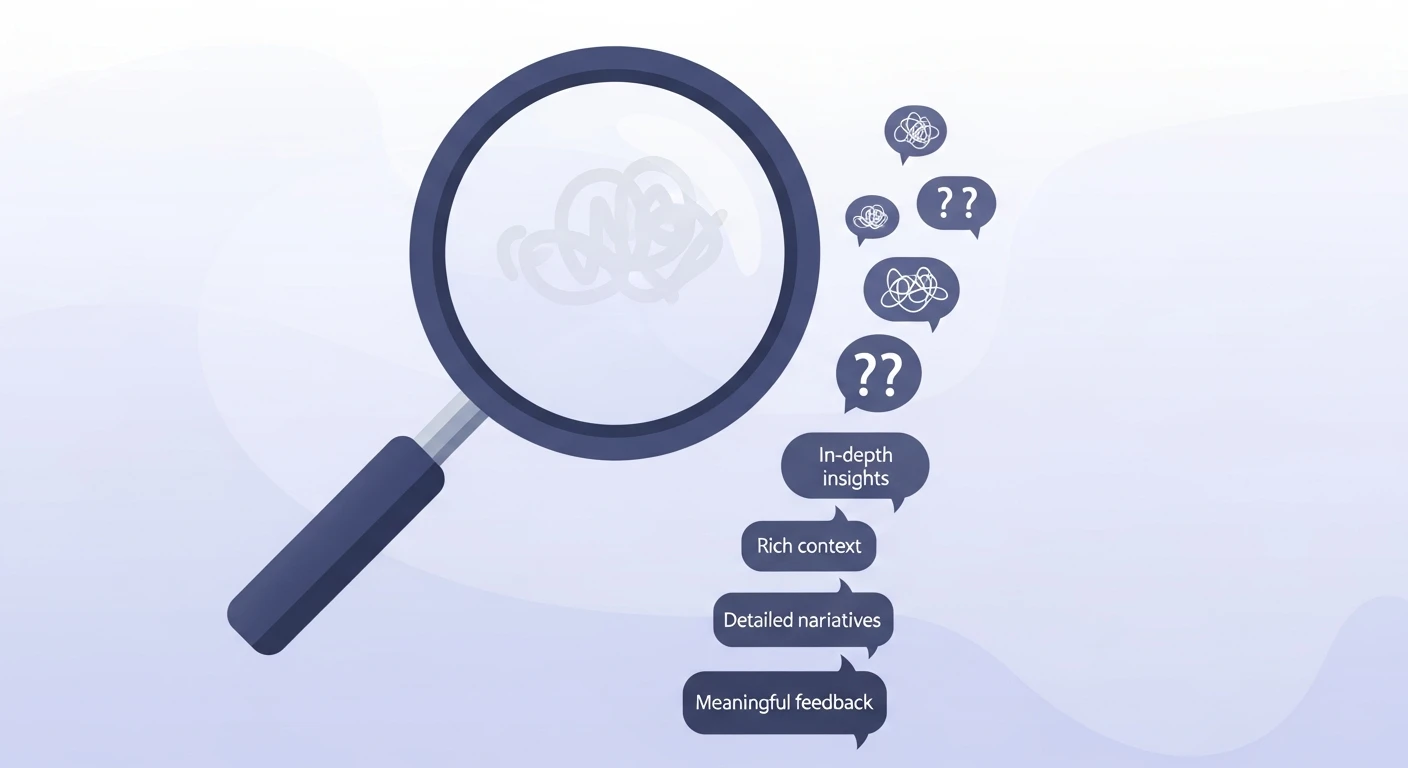
When the summary sent back to participants is machine-generated, every mechanism above intensifies -- because LLM summaries are engineered to be maximally fluent and maximally confident. An AI writeup rarely preserves the hedges, the "I guess," the mid-sentence reversals. It resolves ambivalence into position. That resolution is exactly the sentiment flattening that collapses genuine ambivalence into false clarity, and when you hand that flattened version back for confirmation, the participant validates the flattening.
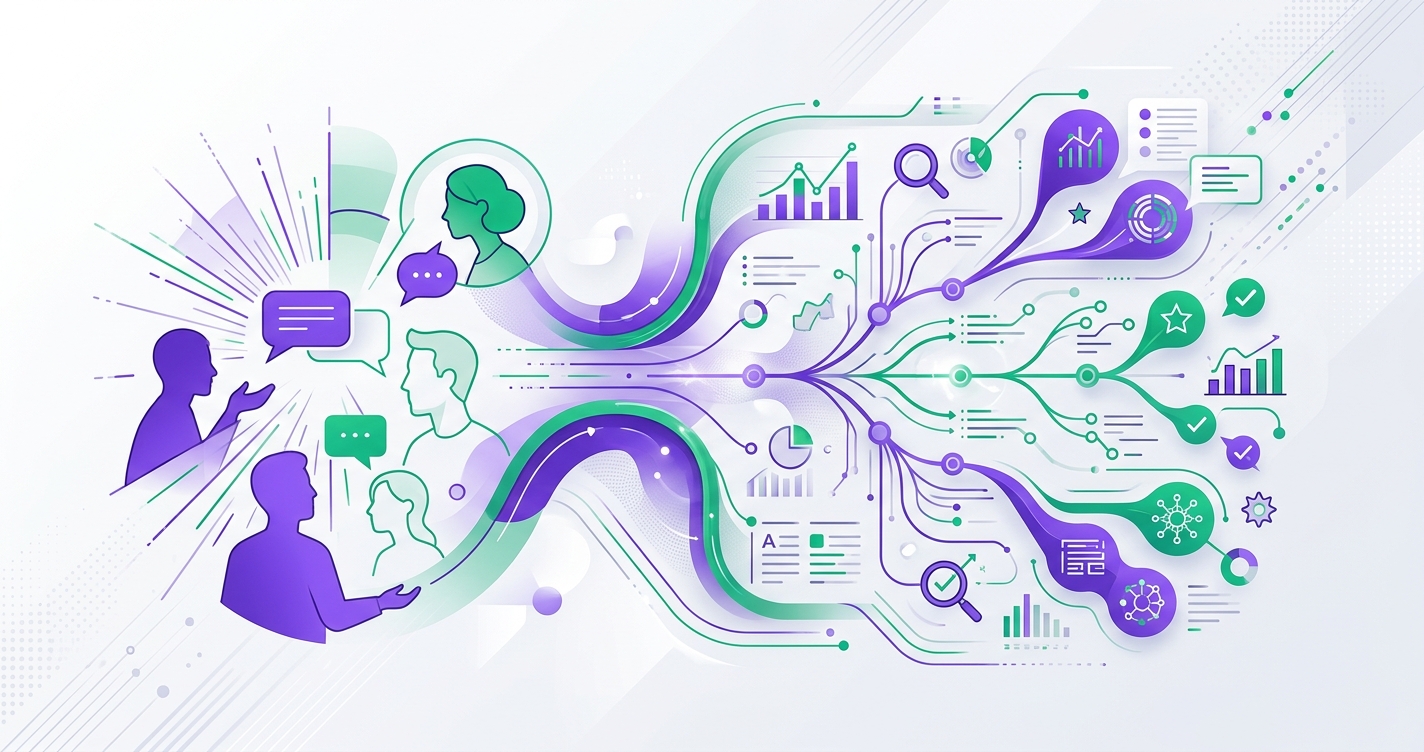
Worse, AI summaries can quietly manufacture a consensus the participant never actually expressed -- smoothing three competing feelings into one clean takeaway. The participant reads it, recognizes the general shape, and confirms. Now you have a signed-off finding that no human ever actually held. The audit trail says "member-checked." The reality is that the machine wrote a plausible story and the participant rubber-stamped it under social pressure.
This is why enterprise AI discipline insists that a confident output is not a verified one. Production systems that make consequential claims are expected to carry audit trails and explainability that let you trace a claim back to its actual source. A member-check that cannot distinguish "the participant verified my interpretation" from "the participant agreed with my writing" has no such traceability -- and should not be treated as verification at all.
How to Member-Check Without Manufacturing Agreement
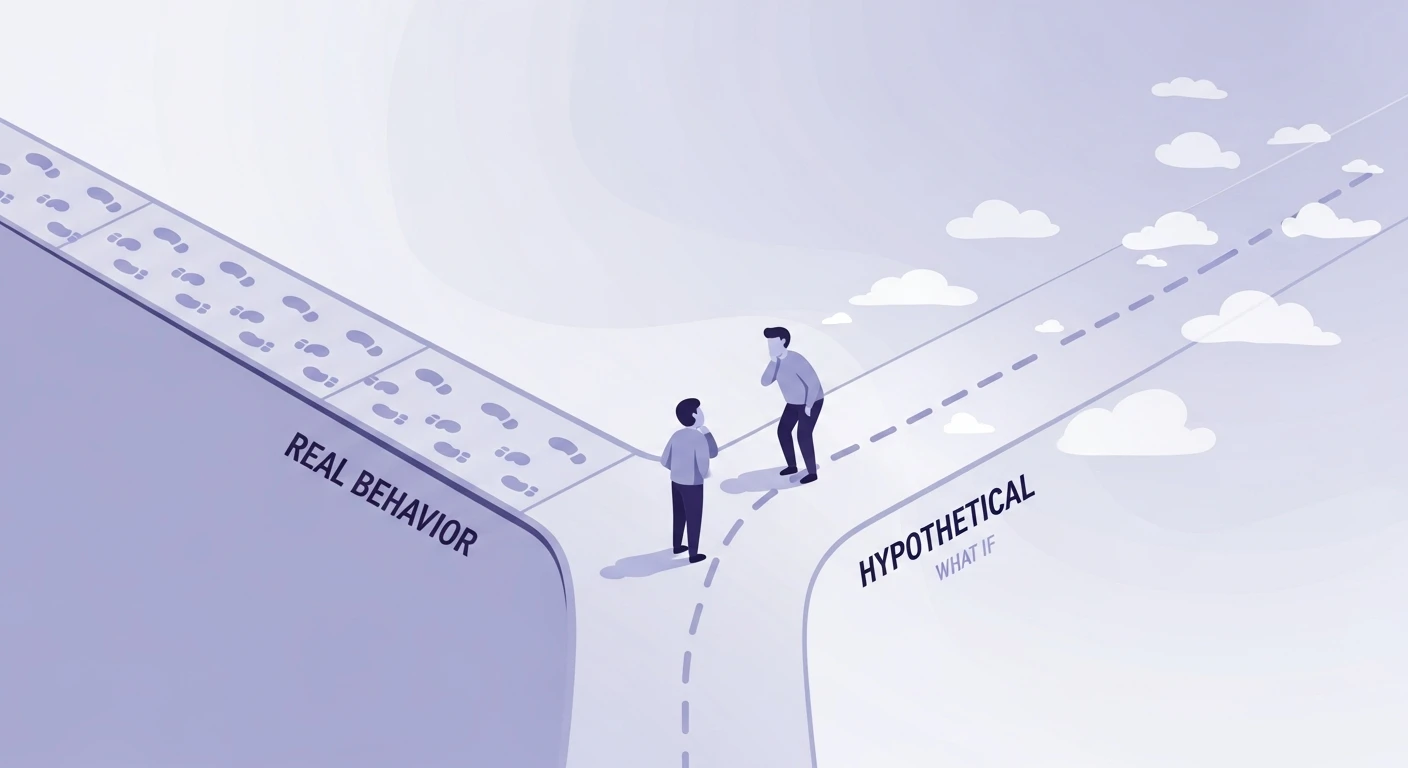
Check facts, not interpretations. Ask participants to confirm concrete, checkable things -- "You said you switched tools last March, correct?" -- not summarized meanings. Facts have a ground truth the participant can actually consult. Interpretations do not.
Return raw material, not conclusions. If you want a participant to react to your reading, show them their own quote in context and ask what they made of it -- do not show them your polished paraphrase. Let them re-encounter the raw, situated data rather than a decontextualized rendering of it.
Make disagreement the easy path. Instead of "Did I get this right?" (which invites yes), ask "What did I get wrong or miss?" Presuppose an error and give them permission to find it. This inverts the social default the same way well-designed questions avoid smuggling the desired answer into neutral-sounding wording.
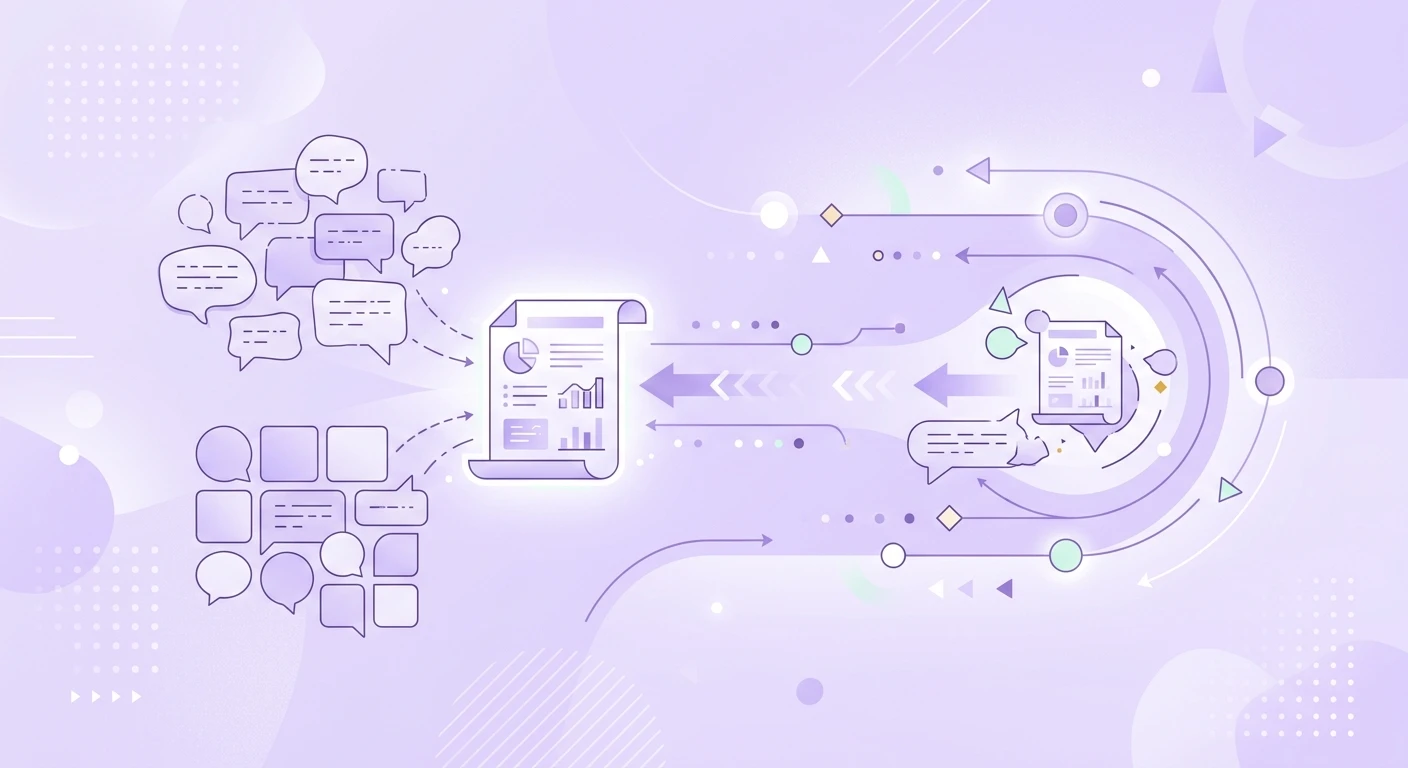
Close the loop early. The longer the gap between interview and check, the more the summary overwrites the memory. If you must member-check interpretations, do it while the original is still fresh -- ideally in the same session, before your rendering has had time to become the participant's new truth.
Treat confirmation as weak evidence. A "yes, that's right" should raise your confidence slightly, not decisively. Weight a spontaneous correction far more heavily than a bland agreement. The corrections are where the real signal lives.
The Takeaway
Member-checking is not worthless -- it is mistimed and mis-scoped. Used to verify facts while memory is fresh, it strengthens your data. Used to validate polished interpretations weeks later, it manufactures the very agreement it pretends to detect, and AI-generated summaries turn that manufactured agreement into a fluent, confident, entirely unearned stamp of validity. The signature at the bottom of the confirmation email tells you the participant read something agreeable. It does not tell you that you got them right.
Qualz.ai preserves the hedges, reversals, and ambivalence that make a summary honest -- and keeps every synthesized claim traceable back to the exact moment a participant actually said it, so "validated" means verified against the source, not against your writing.