When Good Research Arrives Too Late to Matter
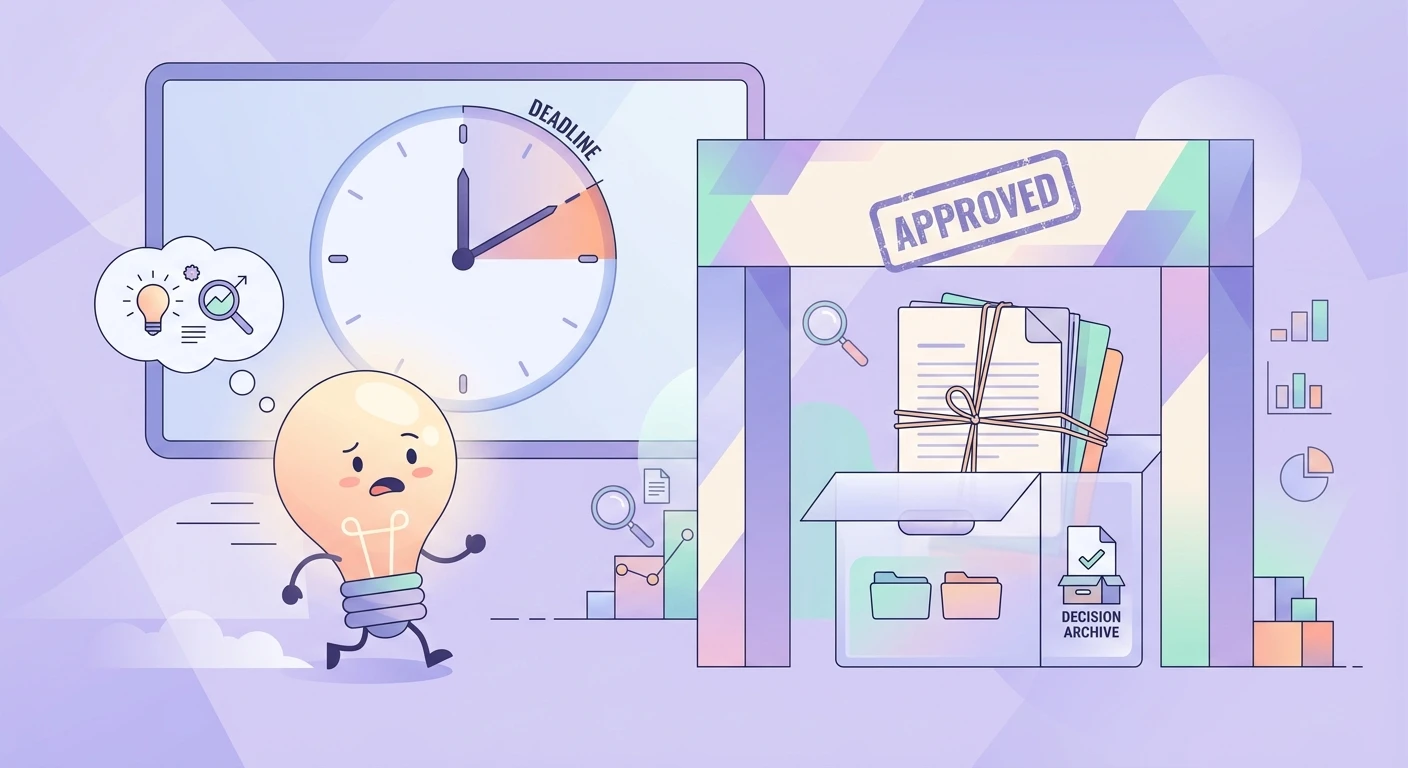
There is a failure mode in research that no rigor check will catch, because the research itself is fine. The sample was right, the analysis was careful, the readout was clear. The only problem is timing: it arrived after the decision it was meant to inform had already been made. The insight latency tax is the compounding loss of value that occurs in the gap between when a decision needs evidence and when research actually delivers it.
This is not a quality problem. It is a velocity problem masquerading as a quality one. And in 2026, with product cycles compressing and teams shipping against ever-tighter windows, latency has quietly become the dominant reason good research fails to change anything. A finding that would have redirected the roadmap two weeks ago becomes, on arrival, a tidy confirmation of a decision no one can reopen.
Insight Is Perishable, and Everyone Underprices the Decay
The core mistake is treating insight as if it holds its value on the shelf. It does not. A finding has a half-life -- it is most valuable the moment a decision is live and loses value fast as the window closes. This is the mechanism behind the insight half-life problem, where research findings expire faster than teams assume. Latency is what pushes a finding past its half-life before it can be spent.
The damage compounds when studies queue. Work piles up faster than it can be analyzed, and each waiting study ages while it sits -- the dynamic behind the research debt spiral, where unanalyzed studies quietly lose their value. By the time a backlogged study is synthesized, the question it answered may no longer be the question anyone is asking.
The Hidden Costs of Late Insight
The latency tax gets paid in ways that rarely show up on a research dashboard.
Decisions get made on the loudest anecdote instead. When rigorous evidence is not ready in time, teams do not wait -- they act on whatever is nearest to hand, usually one vivid story. This is the sample-of-one trap, where a single vivid interview overrides the whole study, and it thrives precisely in the vacuum that slow research leaves behind.
Research becomes retrospective justification. Insight that lands after the call gets read through the lens of the decision already made, quietly reframed as support. It stops being a steering input and becomes a rearview mirror.
Teams stop asking. The most corrosive cost is cultural. When product teams learn that research is always a step behind the decision, they stop commissioning it for decisions that matter and route around it -- the slow erosion that pushes organizations toward pulling qualitative work back in-house to shorten the loop.
Why the Tax Keeps Growing
Decision cadence has accelerated faster than research operating models have. Most qual workflows were designed around a rhythm of weeks -- recruit, schedule, interview, transcribe, code, synthesize, present -- while the decisions they feed now move in days. The mismatch is structural, not a matter of any one researcher working harder. Layer in the AI-tooling churn of 2026, where analysis pipelines shift under teams mid-study, and the effective time-to-insight often gets worse even as raw processing gets faster -- an operational drift that echoes the way configuration drift silently degrades AI systems in production.
How to Pay Down the Latency Tax
Measure time-to-insight, not just study count. If your research ops dashboard tracks volume but not the gap between decision-need and delivery, you are optimizing the wrong number. Instrument the latency the way engineering teams instrument their pipelines -- the discipline of observability applied to systems that would otherwise fail silently.
Match study depth to decision urgency. Not every decision deserves a four-week study. Build a tiered model: fast, lightweight passes for time-boxed calls and deep work reserved for durable, high-stakes questions.
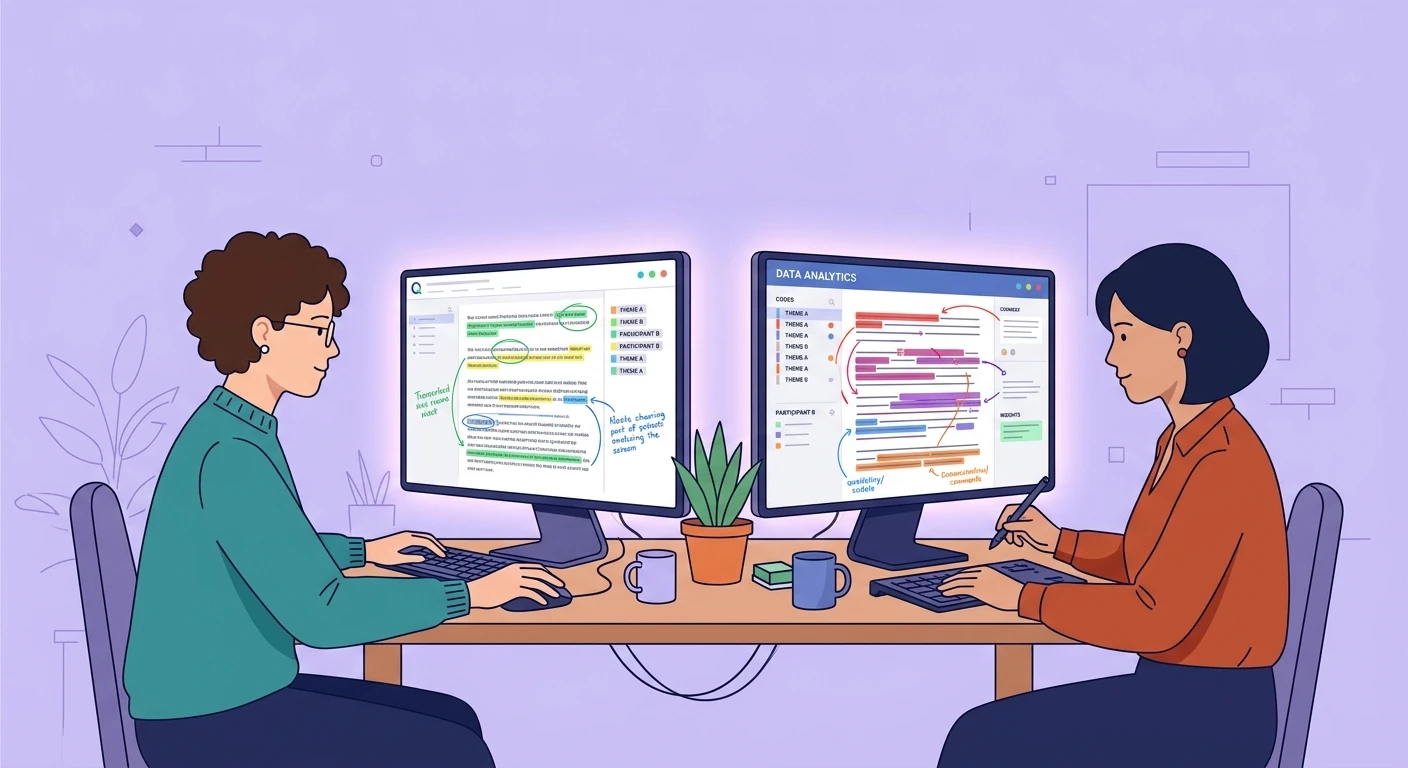
Analyze continuously, not at the end. The biggest latency lever is refusing to batch synthesis to the end of fieldwork. Code as you go so a provisional answer exists the moment a decision goes live.
Pre-commit the decision to the research. Before fieldwork starts, name the decision, the deadline, and the threshold of evidence that would change it. Latency shrinks when everyone knows exactly what the study is racing.
Keep governance light enough to move. Heavy review layers add latency that no one measures. Right-size the process the way SMBs right-size oversight in a lean AI governance framework.
The Takeaway
In 2026 the binding constraint on research value is rarely rigor. It is speed. A late insight is not a partial win -- past the decision window, its value rounds to zero. Treat latency as the first-class metric it is, and design your research operation to deliver answers while the question is still open.
Qualz.ai collapses time-to-insight -- continuous analysis that hands you a defensible answer while the decision is still live, not after it closes. See how fast your research can move.