The Clip That Ate the Study
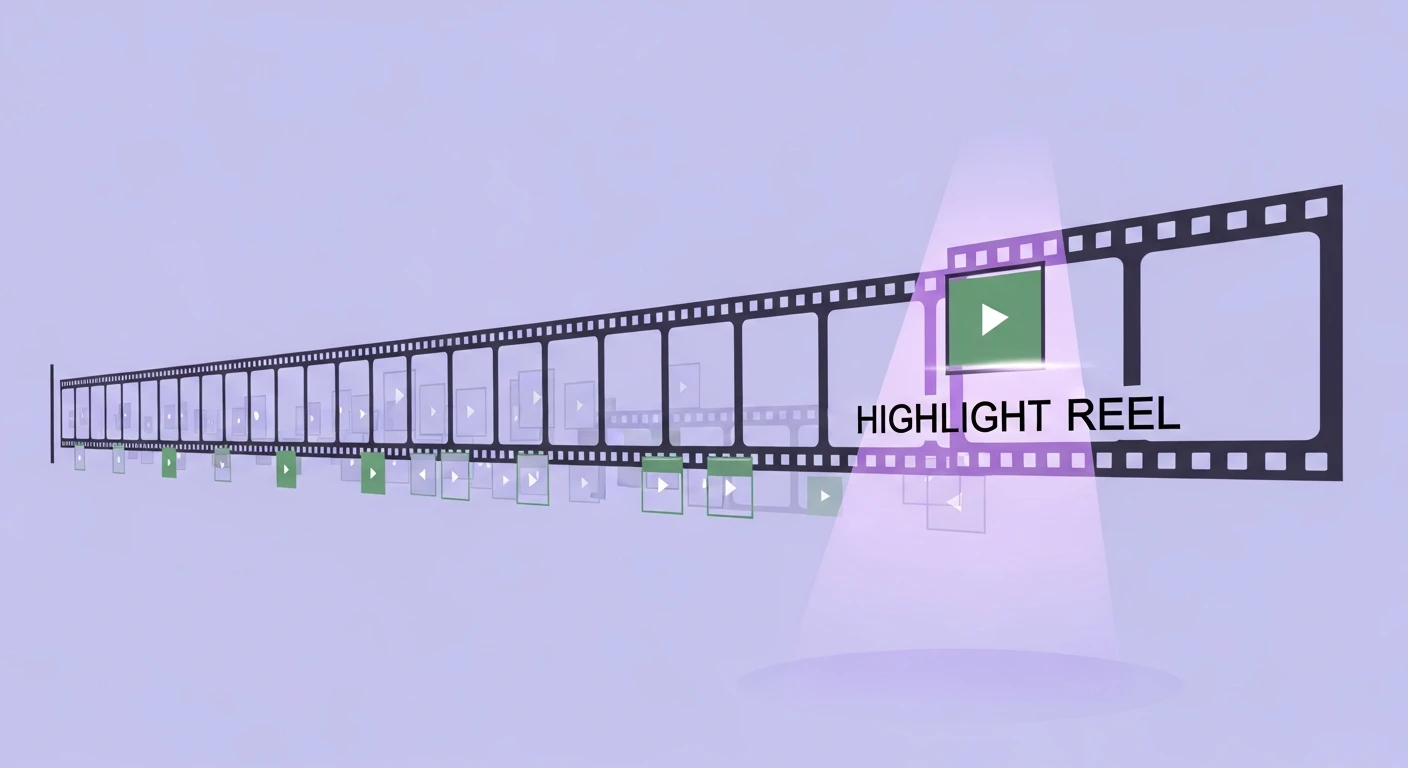
A researcher runs twelve interviews about a checkout flow. The data is nuanced: most users complete the purchase fine, a few hit real friction, one participant melts down spectacularly over a coupon field. The readout deck includes a highlight reel. Guess which clip makes the cut? The meltdown. It is vivid, emotional, unforgettable -- and by the next planning meeting it has become "users are struggling with checkout," a claim the actual data does not support.
This is the highlight reel bias, and it is one of the most under-examined distortions in modern research practice. Video is the most persuasive medium a researcher wields, which makes it the most dangerous. The clip does not summarize the study. It replaces it.
Why Video Clips Overpower Everything Else in the Room
Stakeholders forget statistics and remember faces. A clip of a real human being confused or delighted carries emotional weight that no synthesis paragraph can match. That is precisely the appeal -- and the trap. The persuasive power of the clip is completely uncorrelated with how representative it is. The most quotable ten seconds in your entire study is, almost by definition, an outlier: it stood out because it was unusual, and unusual is the opposite of representative.
This is a close relative of the availability cascade in stakeholder debriefs, where the first vivid insight shared becomes the one everyone anchors to. A highlight reel weaponizes availability: it hands the room its most memorable moment and lets that moment stand in for the whole. And once a clip is in a deck, it detaches from its origin entirely -- the classic decontextualization problem, where a compelling quote loses the meaning it had in the moment it was said.
The Selection Mechanics That Bias the Reel
Quotability is not frequency
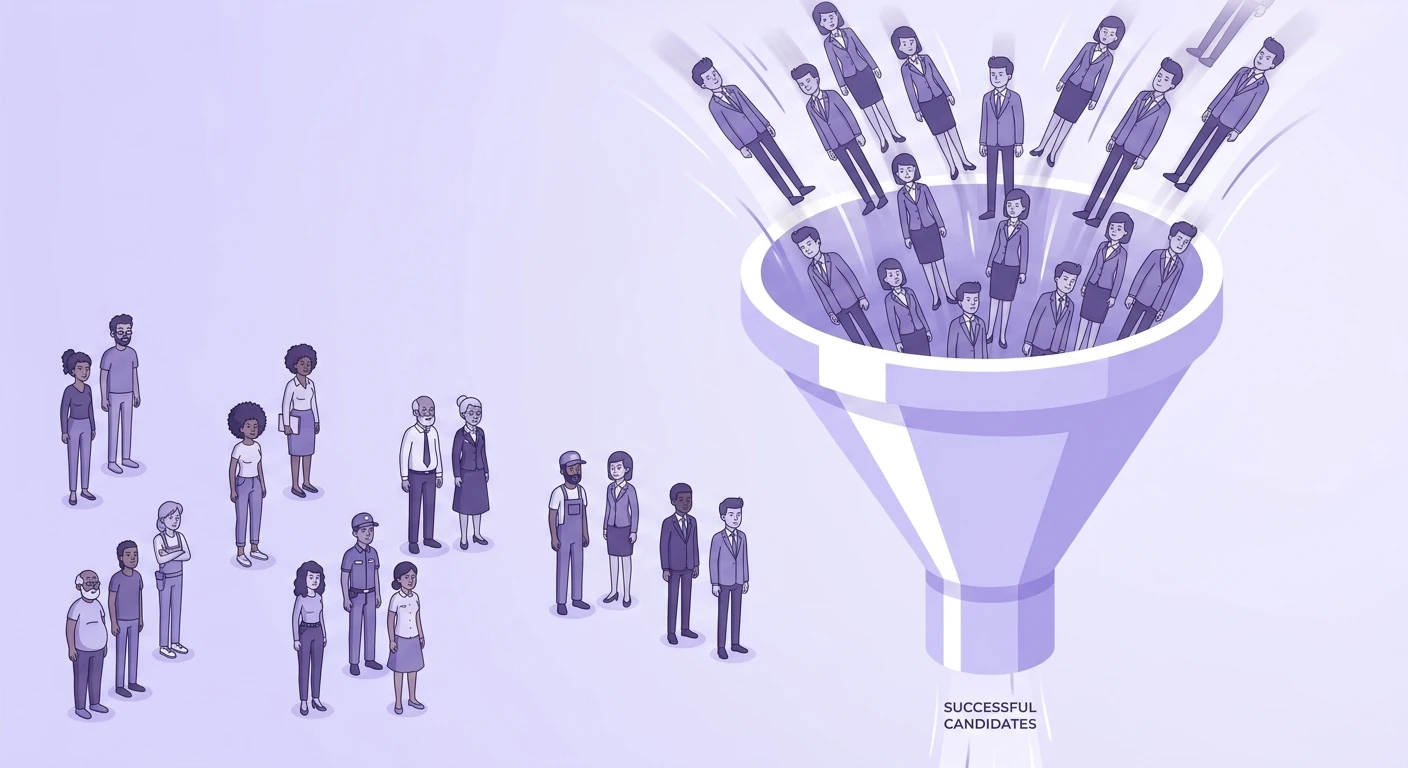
Researchers select clips for impact, not prevalence. The articulate, emotional, on-camera-comfortable participant gets clipped repeatedly; the quiet participant who represented the median experience never appears. The reel becomes a portrait of your most expressive outliers -- which is exactly the counting trap inverted: instead of over-weighting frequency, you over-weight vividness, and both distort the signal.
The reel gets built to fit the story
Clip selection usually happens after the researcher has formed a thesis. At that point clip-hunting becomes evidence-hunting: you scan for moments that illustrate the point you already intend to make. This is asymmetric probing moved into the edit bay -- you dig for confirmation and skip past the footage that complicates your narrative.
Sentiment gets flattened into a single note
A participant who spent eighty minutes ambivalent -- mostly satisfied, occasionally annoyed -- gets clipped at their single most annoyed moment. The ambivalence disappears; the annoyance becomes the record. This is the sentiment flattening problem executed by a human editor rather than an algorithm: real mixed feelings collapse into false clarity because the clip can only show one register.
What the Cut Footage Was Carrying
The ninety minutes you did not clip is not filler. It is the context that tells you whether the clipped moment was a fluke or a pattern, whether the frustration was about your product or the participant's bad morning, whether the enthusiasm survived past the novelty of a first session. Cutting it does not just shorten the story -- it removes the ability to calibrate the clip against everything around it. The confidence calibration gap applies to your own audience here: a room watching a single confident, vivid clip becomes certain about a conclusion the fuller data would have made them hedge.
How to Use Video Without Letting It Hijack the Finding
- Lead with the claim and its base rate, then show the clip. State "3 of 12 participants hit friction at the coupon field" before playing the clip, so the video illustrates a quantified finding instead of becoming one.
- Clip the representative, not just the dramatic. Include a clip of the median experience even though it is boring. Boring is often the truth.
- Show at least one disconfirming clip. If your thesis is "checkout is broken," include a participant who breezed through. Deliberately surfacing the contradicting case is the discipline of negative case analysis applied to the edit.
- Timestamp and preserve provenance. Every clip should link back to its position in the full session so any viewer can check what came before and after. A clip without traceable context is an assertion, not evidence.
- Never let the reel be the only deliverable. The clip persuades; the synthesis calibrates. Ship both, and make clear which one is the finding.
The Traceability Parallel
The problem here is fundamentally one of provenance -- can you trace a persuasive artifact back to the evidence that justifies it? Enterprises building AI systems confront the identical issue: a fluent, confident model output is the software equivalent of a great clip, and without audit trails that engineer explainability into the system, teams end up trusting the compelling output while losing the chain back to the data that should support it. The same failure that lets a highlight reel overwrite a study is what lets a slick AI-generated summary manufacture consensus your data never contained -- in both cases the artifact is more persuasive than the truth, and persuasion wins unless you engineer traceability back to the source.
The Bottom Line
Video is the most powerful tool in a researcher's kit and the easiest to abuse. The clip that makes the room gasp is rarely the clip that represents the study, and the ninety minutes you left on the cutting-room floor is where the truth of the finding actually lives. Use clips to illustrate quantified claims, always show the disconfirming case, and never let the highlight reel become the headline. The goal of a readout is an accurate decision, not a moving one.
Want research readouts where every clip traces back to the full evidence and the finding survives scrutiny? Explore how Qualz.ai keeps insights grounded in the whole interview or book a demo.