Your Mental Model Is Your Biggest Research Risk
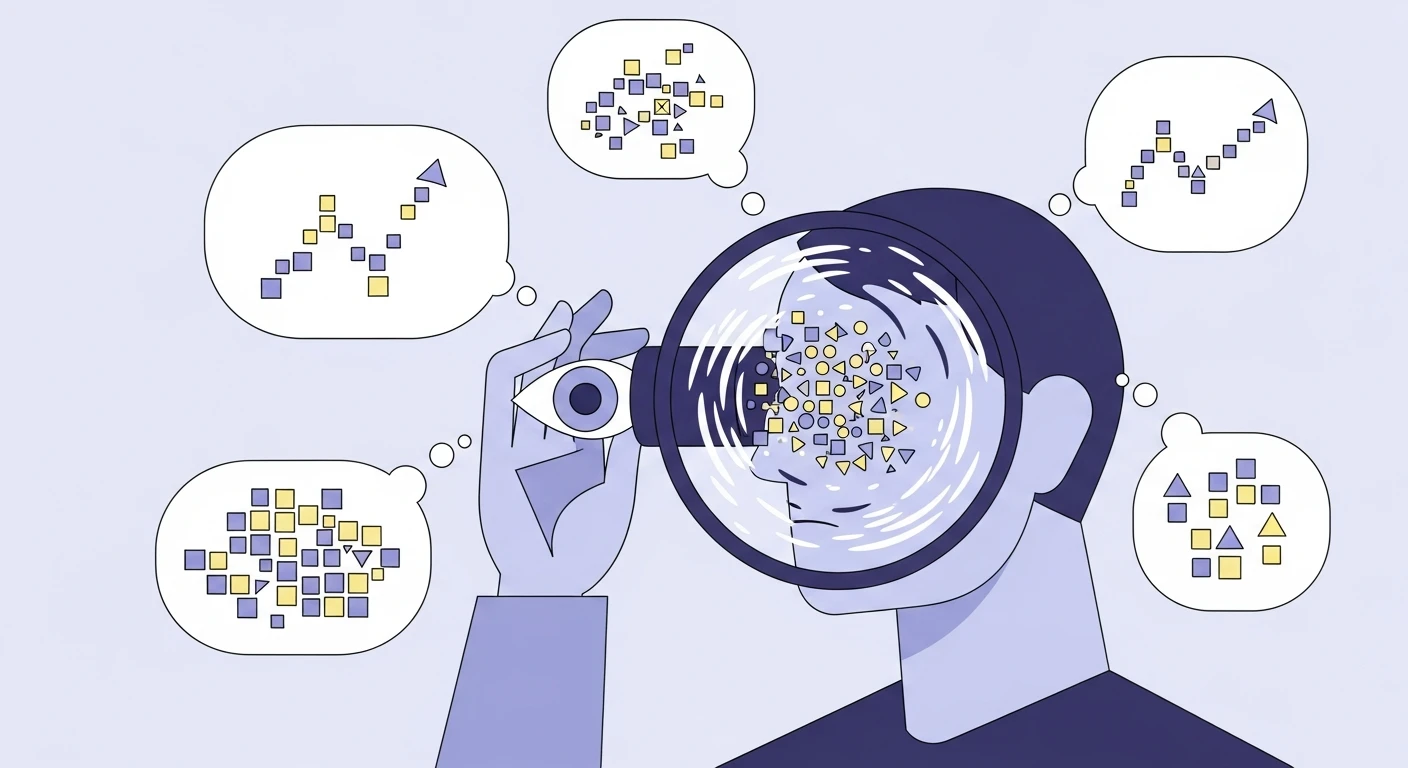
Every researcher carries assumptions into sessions. Years of domain expertise, prior project findings, product knowledge, stakeholder conversations — all of this builds a lens through which new data gets interpreted. The problem is not having assumptions. The problem is when those assumptions become invisible filters that shape what you hear, what you code, and what you report.
This is the projection problem: the systematic tendency for researchers to find evidence that matches their existing mental models while unconsciously discounting data that contradicts them.
Unlike confirmation bias in survey design (where leading questions produce predictable answers), projection operates at the interpretation layer. The questions might be perfectly neutral. The participant might give rich, nuanced responses. But when the researcher sits down to analyze, their prior beliefs act as a gravitational field — pulling interpretations toward what they already expected to find.
How Projection Manifests in Practice
Projection does not announce itself. It operates through three subtle mechanisms that compound across a research project:
Selective attention during sessions. When a participant says something that resonates with your hypothesis, you lean in. You ask follow-up questions. You note it carefully. When they say something that contradicts your model, you might register it but not probe deeper. Over multiple sessions, this creates an asymmetry in data depth that later appears as "stronger evidence" for your prior belief.
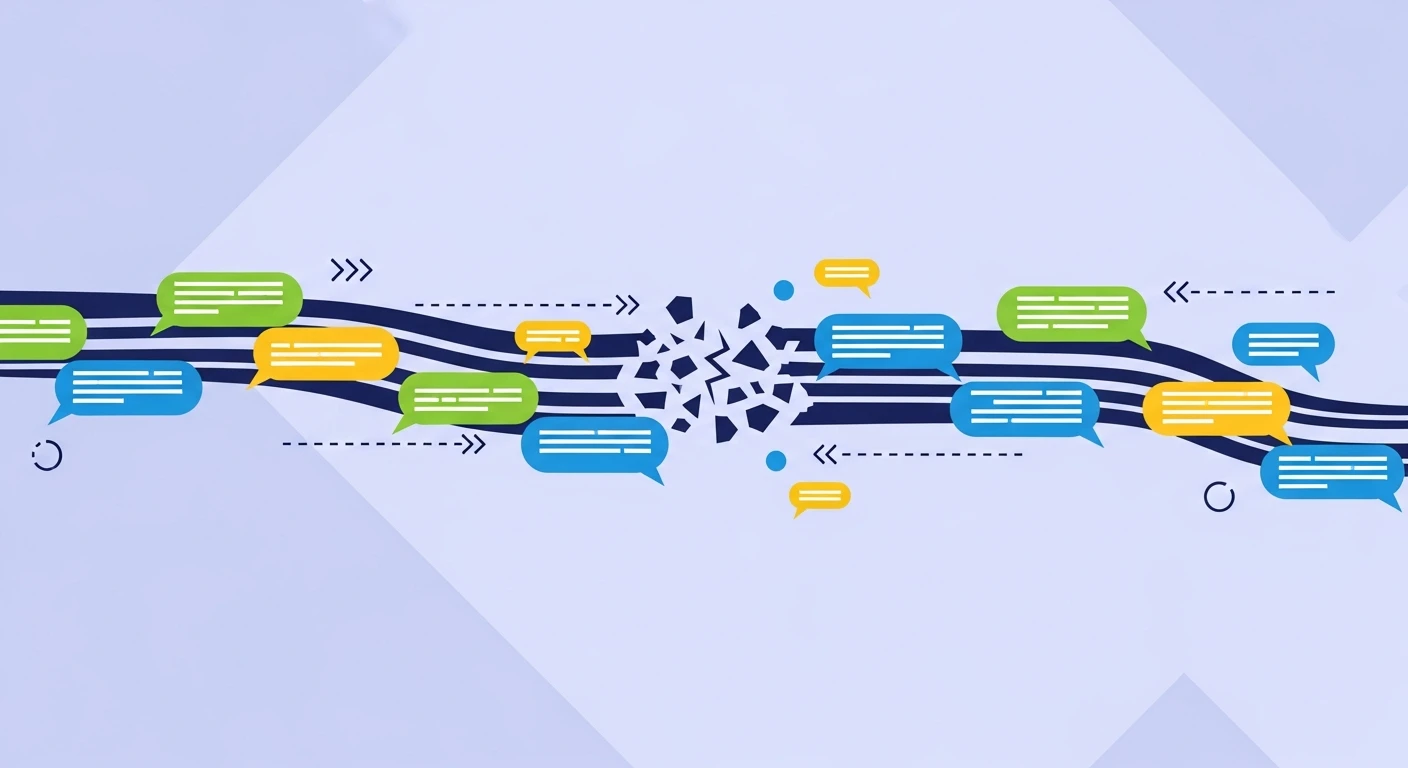
The articulation gap compounds this problem — participants struggle to express experiences that do not fit standard frameworks, so data that challenges your assumptions often arrives in incomplete, harder-to-interpret forms.
Coding gravitational pull. During analysis, ambiguous statements get coded toward existing categories. A participant who says "it was fine, I guess" could indicate satisfaction, resignation, or indifference. Researchers with a pre-existing narrative about the product tend to code ambiguity in directions that support their thesis.
This is where collaborative analysis sessions become essential — not for efficiency, but because multiple analysts bring different projection biases that partially cancel each other out.
Narrative construction bias. When assembling findings into a coherent story, researchers naturally emphasize patterns that form clean narratives. Data points that complicate the story get relegated to "edge cases" or "outliers" — even when they represent legitimate alternative user experiences.
The Expertise Paradox
Here is what makes projection particularly insidious: it gets worse with expertise. Junior researchers are often more open to surprise because they have fewer pre-existing models to project. Senior researchers, with their deeper domain knowledge, have stronger gravitational fields that pull interpretations toward familiar patterns.
A senior researcher studying onboarding for the tenth time "knows" what users struggle with. This knowledge makes them efficient — they design better guides, ask sharper questions, and identify themes faster. But it also makes them blind to novel patterns that do not match their accumulated understanding.
This paradox means the most experienced researchers need the most rigorous projection-awareness practices.
Structural Countermeasures
Awareness alone does not solve projection. You need structural interventions that force alternative interpretations into your analytical process:
The Devil's Advocate Protocol. Before finalizing findings, assign someone to argue the opposite interpretation of your data. Not as a thought exercise — as a formal analytical step with documented counter-arguments. If you cannot articulate how the same data could support a contradictory conclusion, your analysis is incomplete.
Blind initial coding. Have the first coding pass done by someone who was not in the sessions and does not know the research questions. Their naive interpretation reveals patterns that session-present researchers overlook because of contextual anchoring. As research on the anchoring effect demonstrates, first exposures create persistent interpretive frames.
Assumption pre-registration. Before analysis begins, document your predictions. What do you expect to find? What would surprise you? This creates an explicit record against which actual findings can be compared. If your results perfectly match your predictions, that is a signal to scrutinize for projection, not a confirmation of analytical skill.
Negative case analysis. Actively search for participants and data points that contradict your emerging themes. These are not noise to be explained away — they are boundary conditions that define where your findings apply and where they break down.
Technology as a Projection Check
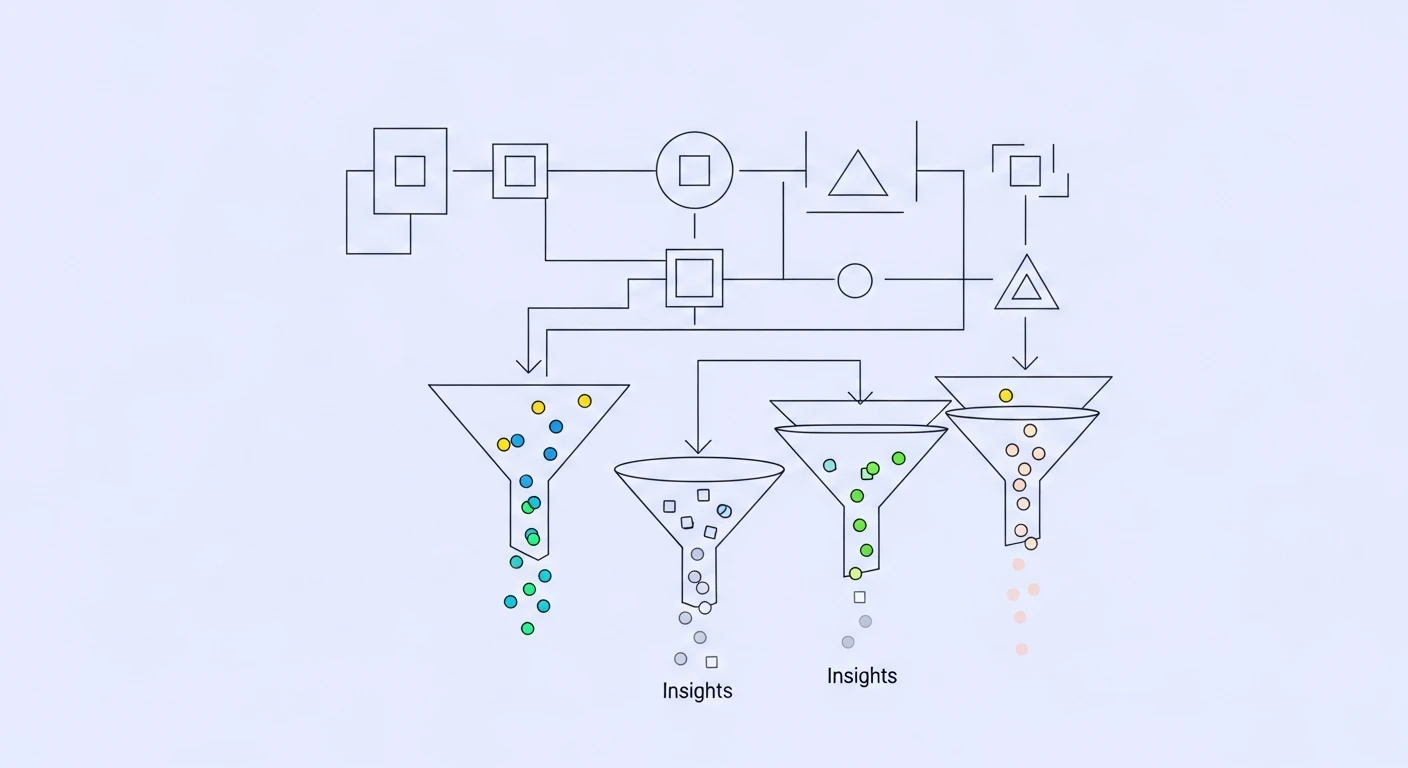
AI-assisted analysis offers a unique advantage here: it does not carry the same assumptions into coding that human researchers do. When an AI system codes your transcripts, it processes language without the contextual priming that biases human interpretation.
This does not mean AI coding is "objective" — models carry their own biases from training data. But the biases are different from yours, which means AI-generated codes serve as a useful triangulation point against human-generated codes.
The most effective workflow is not replacing human coding with AI coding. It is running both in parallel and investigating discrepancies. Where AI codes differently from humans, you have found either a projection artifact or a limitation of the AI — both worth understanding.
Building Projection Awareness Into Research Culture
Projection is not a flaw to be eliminated. It is a human cognitive tendency to be managed. The goal is not assumption-free research (which is impossible) but assumption-visible research where the interpretive lens is documented, examined, and challenged.
Teams that build projection awareness into their practice produce research that is more trustworthy, more surprising, and ultimately more useful for product decisions. They find things they did not expect — which is, after all, the entire point of doing research rather than just building what you already believe users want.
The question is not whether your assumptions are influencing your findings. They are. The question is whether you have built systems to catch that influence before it becomes the only thing your research can see.