Quotes Are Not Evidence — Context Is
Every research report depends on quotes. They ground findings in participant voice, make abstract themes tangible, and give stakeholders something concrete to react to. But the practice of extracting quotes from transcripts and placing them in slide decks introduces a systematic distortion that most teams never examine.
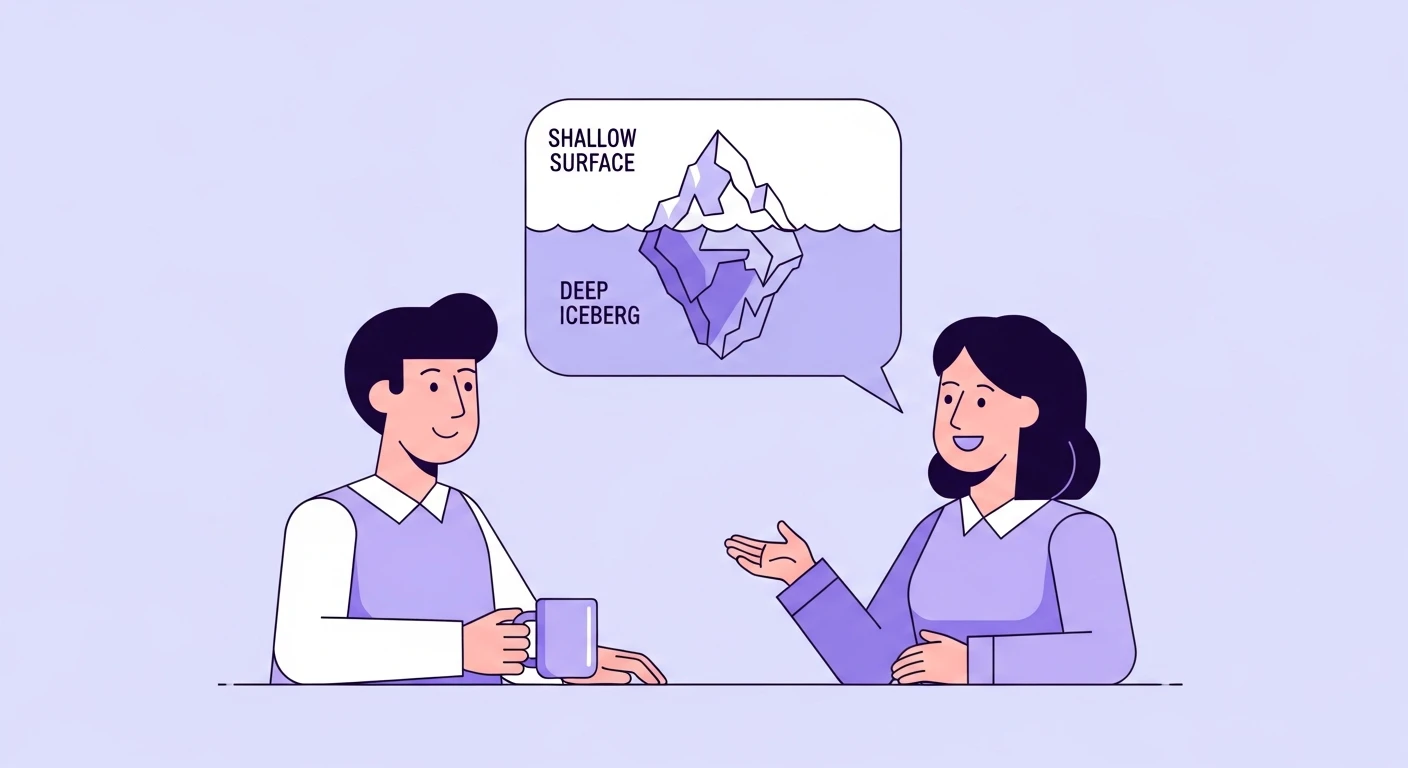
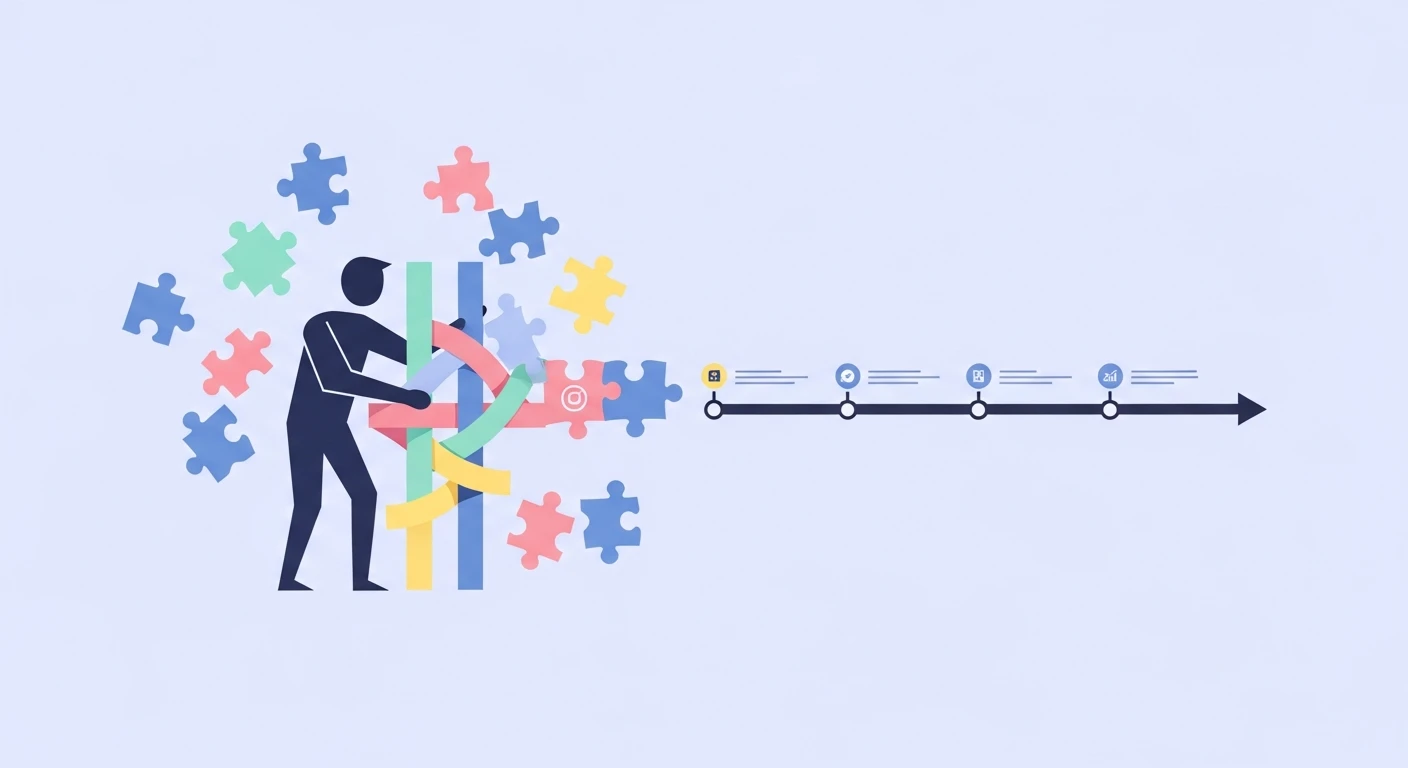
The problem is decontextualization. A participant statement that meant one thing within the flow of conversation means something different when isolated. The preceding question, the earlier rapport dynamics, the hesitation before speaking, the qualifier that followed — all of this disappears when you copy a sentence into your findings deck.
This is not a minor methodological concern. It is the mechanism through which well-intentioned research teams accidentally construct narratives that participants would not recognize as their own.
How Extraction Changes Meaning
Consider a participant who says: "I actually love the onboarding experience." Extracted as a quote, this supports a finding that onboarding satisfaction is high. But in context:
Researcher: "Some people find the onboarding overwhelming. What was your experience?"
Participant: "I actually love the onboarding experience... I mean, once I figured out where everything was. The first three days were pretty confusing."
The full exchange reveals that "love" was a social response to a leading question, immediately qualified by confusion. The detection of contradictions within participant speech is one of the most valuable analytical signals — and decontextualization erases exactly those contradictions.
Three mechanisms drive meaning loss:
Sequential dependency. Participant responses build on previous exchanges. A statement in minute forty reflects everything discussed in minutes one through thirty-nine. Extracting it severs those dependencies.
Interactional positioning. Participants position themselves relative to the researcher. Agreement, disagreement, elaboration — these are interactional moves, not isolated truth claims. The rapport dynamics between researcher and participant shape every utterance.
Pragmatic implicature. What people mean exceeds what they literally say. Tone, emphasis, and conversational context fill gaps that disappear in text extraction.
The Reporting Pressure That Makes It Worse
Research teams face structural pressure to produce quotable findings. Stakeholders want sound bites. Slide decks need pull quotes. The translation from research to design demands compression that favors clarity over completeness.
This pressure creates selection bias in quote extraction:
- Quotes that clearly support a theme get selected over ambiguous ones
- Longer, qualified statements get trimmed to their most assertive clause
- Contextual hedging disappears because it weakens the finding
- Statements that contradict the emerging narrative get overlooked
The result is a research report that sounds more certain than the data warrants. Participants said nuanced, qualified, contextual things. The report presents clean, quotable, decontextualized things.
Preserving Context in Practice
The solution is not to stop using quotes — they remain essential for grounding findings. The solution is to maintain context through deliberate practices:
Excerpt with exchange, not just utterance. Include the question that prompted the response. If the preceding discussion matters (it usually does), include that too. This takes more space but preserves meaning.
Annotate pragmatic context. When extracting quotes, note what was happening conversationally. Was this an agreement move? A correction? An elaboration on something said earlier? This annotation practice is what contextual annotation in qualitative analysis makes systematic.
Flag hedging and qualification. If you trim a qualified statement, note what was trimmed. "I love the onboarding" means something different when you know it was followed by "once I figured out where everything was."
Use quote clusters instead of singles. Rather than one perfect quote per finding, present two to three quotes that show the range of how participants discussed a theme — including the ambiguous cases.
When AI Helps and When It Hurts
AI-assisted analysis tools can accelerate quote extraction enormously. They identify relevant passages, cluster thematic statements, and surface quotes you might have missed. But they also amplify decontextualization by making it even easier to pull sentences from their surroundings.
The best approach uses AI for discovery and human judgment for contextual validation. Let the tool surface candidate quotes, then return to the full transcript to verify that the extracted passage means what it appears to mean in isolation.
As research teams adopt AI-powered approaches to qualitative analysis, the discipline of contextual verification becomes more important, not less. Speed of extraction must be matched by rigor of contextualization.
Building Organizational Awareness
The decontextualization problem is not just a researcher problem — it is an organizational one. Stakeholders who receive decontextualized quotes pass them along further decontextualized. Product managers quote the quotes in PRDs. Engineers hear third-hand interpretations of what users said.
Building awareness means:
- Training stakeholders to ask "what was the context?" when they see a quote
- Including methodological notes about how quotes were selected
- Making full transcripts or extended excerpts available for those who want to verify
- Treating quotes as starting points for understanding, not endpoints
The goal is not to make research reports longer or more academic. It is to make the extracted evidence trustworthy — to ensure that what lands in product decisions actually reflects what participants experienced and expressed in the full richness of conversation.
Decontextualization is invisible. That is what makes it dangerous. The quote looks clean, sounds authoritative, and fits the narrative perfectly. The question research teams must keep asking is: does it still mean what we think it means?