The Seam You Cannot See in the Transcript
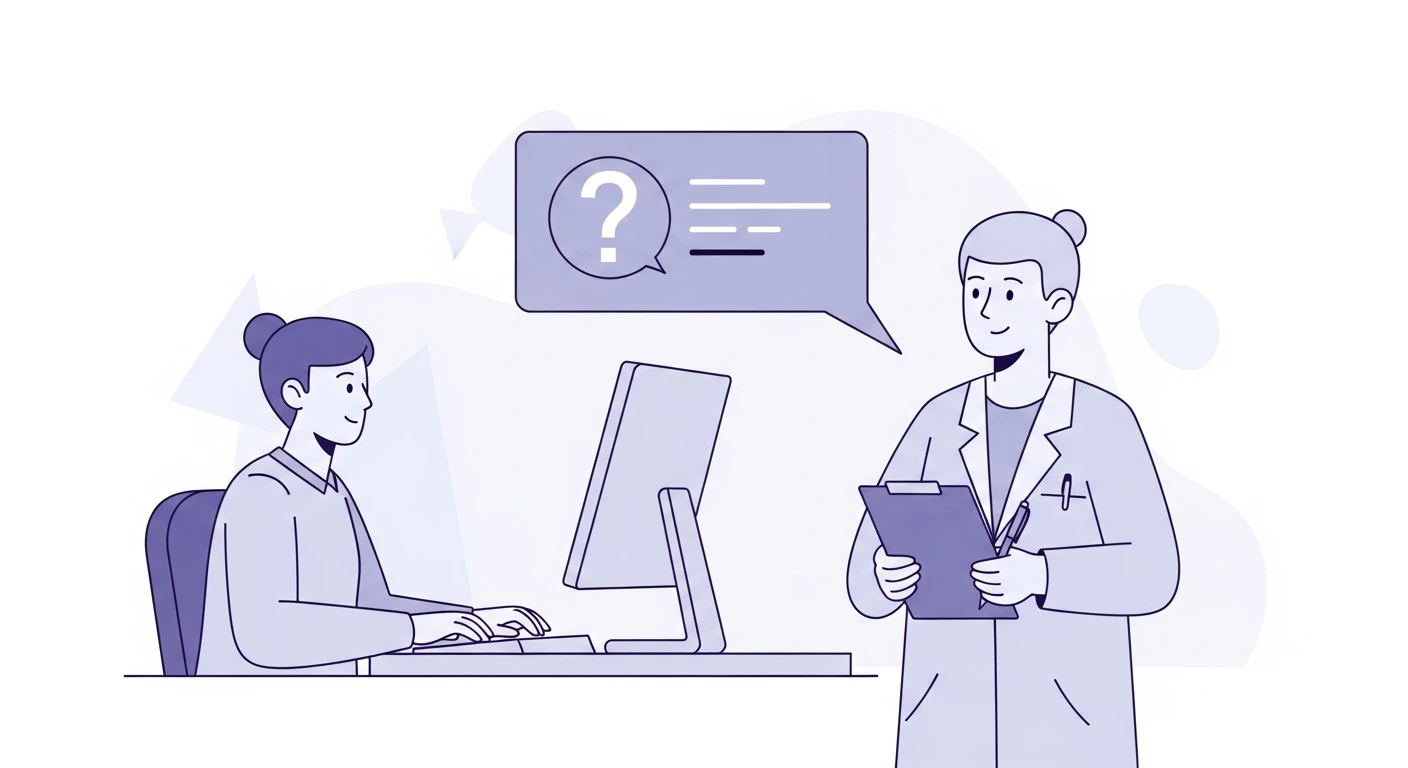
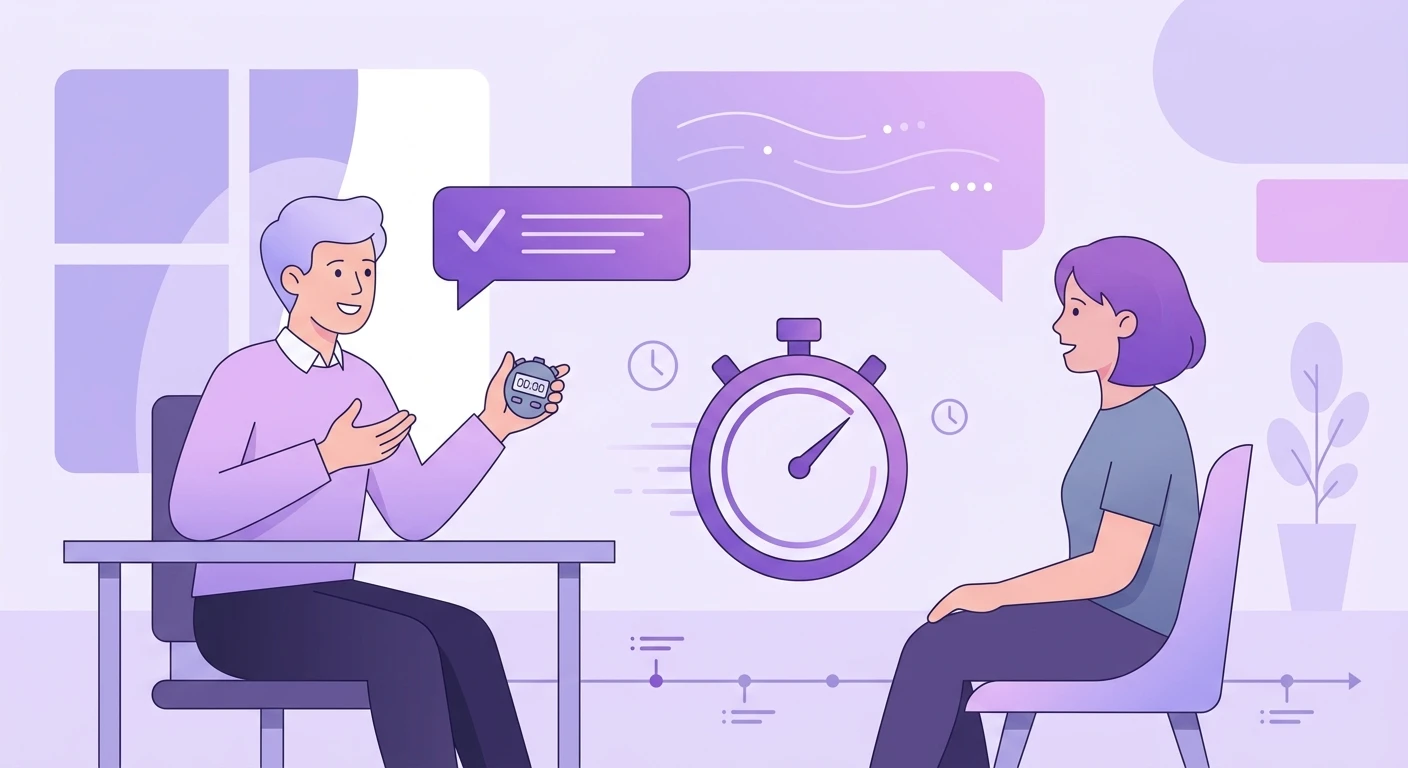
Teams split studies across moderators for perfectly good reasons: throughput, specialization, coverage across time zones. On paper it is a scheduling decision. In the room it is something else entirely -- a reset of the human relationship that produces your best data. The warm handoff loss is the systematic drop in participant candor that happens whenever the person asking the questions changes, whether mid-session or across a study.
Participants do not build trust with your research. They build it with a person -- a specific voice, a specific pace, a specific set of small reassurances that told them it was safe to be honest. When you swap that person out, the trust does not transfer with the discussion guide. The new moderator inherits the schedule but not the rapport, and the participant, consciously or not, slides back to the guarded register they started with.
Why Trust Does Not Port Across People
Early in any interview, a participant is running a quiet risk assessment: is this person going to judge me, misuse this, make me look foolish. Over the first several minutes they gather evidence and, if things go well, they relax. That relaxation is what unlocks the honest, specific, unflattering answers you actually came for.
Hand the session to a second moderator and the risk assessment restarts from zero. The participant has no evidence about the new person, so they default to caution. The warmth that took twenty minutes to build does not resume where it left off -- it rewinds. This is the same fragility documented in the rapport decay curve, where interview trust fades before you ever reach the hard questions; a handoff simply drops the curve back to its starting floor.
What the Second Moderator Actually Loses
The damage is not evenly distributed. It concentrates in exactly the moments that matter.
The hard questions land cold. If the plan was to open warm and then probe the sensitive material, a handoff often lands the sensitive material on a moderator the participant does not yet trust. The instinct is to soften -- the reassurance reflex, where making a hard question comfortable erases the very signal you needed.
Answers get shorter and safer. A guarded participant gives tidy, socially acceptable responses. Certainty rises while accuracy does not -- the confidence-calibration gap where confident-sounding self-reports track poorly to real experience.
The two halves are not comparable. When one moderator ran the warm first half and another ran the cold second half, you are not comparing sections of one interview -- you are comparing two different relationships, an interviewer effect that quietly reshapes the data the way question contamination does across multi-researcher studies.
Why Teams Miss It Entirely
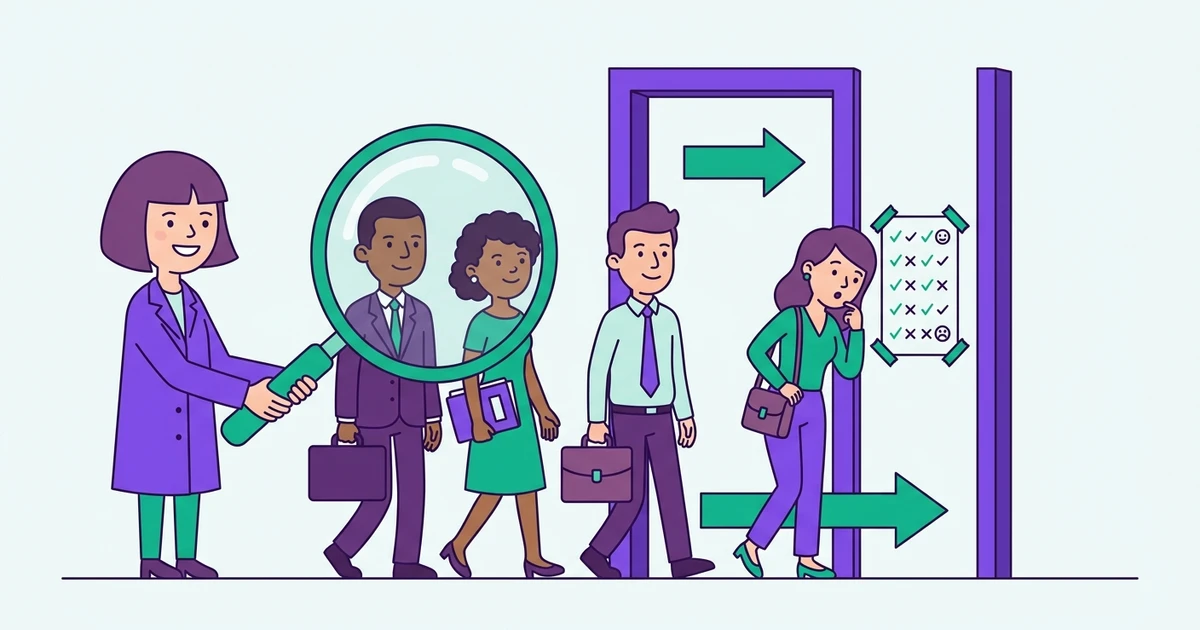
The warm handoff loss is invisible in the artifacts. The transcript reads fine. The guide was followed. Both moderators were competent. Nothing in the recording says "trust reset here," so in synthesis the two halves get flattened into one dataset and the seam disappears. Worse, back-to-back scheduling stacks a second problem on top: the receiving moderator is often mid-block and running on depleted attention -- the second-interview slump, where consecutive sessions quietly degrade the data.
How to Protect Candor Across the Seam
Keep one moderator per participant whenever you can. The cleanest fix is to not hand off at all. Assign a participant to a single moderator end to end, even if it costs you some scheduling flexibility.
If you must hand off, make it explicit and warm. Have the first moderator introduce the second in the participant's presence, vouch for them, and name the continuity out loud. A transferred endorsement partially ports the trust that would otherwise reset.
Do not put the hard questions right after the seam. Sequence sensitive material so it sits with the moderator who earned the rapport, not the one who just arrived.
Tag the handoff in your data. Mark where the moderator changed so synthesis can treat the two halves as what they are -- different relational contexts -- rather than silently averaging them. This is where triangulating across moderators and methods matters, the discipline behind using research triangulation to ground product decisions.
Calibrate your moderators as a pair. If handoffs are unavoidable, invest in shared warm-up scripts and a consistent probing style so the participant experiences less of a discontinuity when the voice changes.
The Takeaway
A handoff is never just a scheduling event. It is a relationship reset, and the thing that resets is the candor you built the study to capture. Treat moderator continuity as a data-quality decision, not a logistics one. When you protect the relationship, you protect the honesty -- and honesty is the only thing qualitative research actually sells.
Qualz.ai keeps continuity where humans cannot: consistent, calibrated moderation and analysis that does not lose the thread when your team hands a study around. See how Qualz.ai keeps your research honest end to end.